
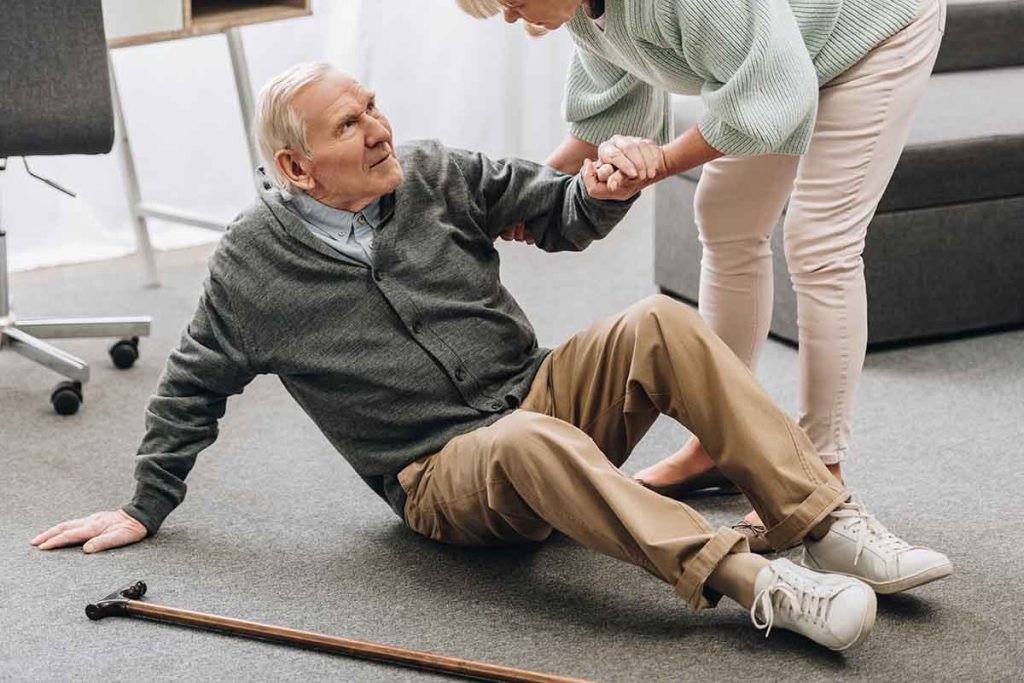
💙 Every year, millions of older adults experience a fall—but many falls can be prevented. A few simple lifestyle changes can help you stay active, maintain your independence, and reduce your risk of injury.
🏡 Why Fall Prevention Matters
As we get older, changes in balance, muscle strength, vision, and reaction time can increase the risk of falling. While anyone can experience a fall, adults over the age of 65 are especially vulnerable.
Falls can lead to:
- 🦴 Broken bones and fractures
- 🩹 Head injuries
- 🚑 Hospitalizations
- 🏠 Loss of independence
- 😟 Fear of falling again, leading to reduced activity
The good news? Many falls are preventable with healthy habits and a safer environment.
💪 Stay Strong with Regular Exercise
One of the best ways to reduce your risk of falling is to stay physically active.
Exercises that improve balance, strength, and flexibility include:
- 🚶 Walking
- 🧘 Yoga
- 🤸 Tai Chi
- 💪 Light strength training
- 🚴 Low-impact aerobic exercise
Strong leg muscles and good balance make it easier to recover if you stumble and help you move more confidently throughout the day.
⚖️ Improve Your Balance
Balance naturally declines with age, but it can be improved.
Simple balance exercises include:
- Standing on one foot while holding a countertop
- Walking heel-to-toe
- Standing from a chair without using your hands
- Practicing Tai Chi
Even just a few minutes several times a week can make a noticeable difference.
👟 Wear the Right Shoes
Your footwear plays a major role in preventing falls.
Choose shoes that:
✅ Fit properly
✅ Have non-slip soles
✅ Provide good arch support
✅ Have a low, stable heel
Avoid walking around in socks, loose slippers, or worn-out shoes, especially on hardwood or tile floors.
💡 Make Your Home Safer
Many falls happen inside the home.
Consider these simple safety improvements:
- Remove loose rugs and clutter.
- Secure electrical cords along walls.
- Install grab bars in bathrooms.
- Add handrails on both sides of stairways.
- Improve lighting throughout your home.
- Keep frequently used items within easy reach.
Small changes can significantly reduce your risk.
👁️ Don’t Ignore Vision or Hearing Changes
Poor vision or hearing can make it harder to notice obstacles or maintain your balance.
Schedule regular eye and hearing exams and update your glasses or hearing aids as recommended.
Seeing clearly can make a big difference in preventing falls.
💊 Review Your Medications
Some medications—or combinations of medications—can cause:
- Dizziness
- Drowsiness
- Low blood pressure
- Balance problems
Ask your healthcare provider or pharmacist to review your medications periodically, especially if you’ve noticed dizziness or have experienced a recent fall.
🦴 Keep Your Bones Strong
Healthy bones are less likely to fracture if a fall does occur.
Support bone health by:
🥛 Getting enough calcium
☀️ Maintaining adequate vitamin D levels
🏋️ Performing weight-bearing exercise
🚭 Avoiding smoking
🍷 Limiting excessive alcohol intake
Talk with your healthcare provider about whether a bone density screening is appropriate for you.
🩺 Manage Pain Before It Affects Your Balance
Chronic pain in your back, hips, knees, or feet can change the way you walk.
Many people unknowingly develop an altered gait because they’re trying to avoid pain. Over time, this can increase the likelihood of losing balance and falling.
If pain is affecting how you move, don’t ignore it. Treating the underlying cause may help restore normal movement and improve stability.
🚰 Stay Hydrated
Dehydration can contribute to:
- Lightheadedness
- Fatigue
- Muscle cramps
- Low blood pressure
Drinking enough water throughout the day helps your body function properly and may reduce dizziness when standing.
🚨 Know When to Seek Medical Attention
Talk with your healthcare provider if you:
- Have fallen recently
- Feel unsteady while walking
- Frequently lose your balance
- Experience dizziness
- Notice weakness in your legs
- Have chronic pain that’s affecting your mobility
Addressing these issues early may help prevent future falls.
🌟 Stay Active. Stay Independent.
Growing older doesn’t mean giving up the activities you enjoy. By staying active, strengthening your muscles, improving balance, and making a few simple safety changes, you can dramatically reduce your risk of falling.
If chronic back pain, knee pain, hip pain, arthritis, or nerve pain is affecting your mobility or balance, Cedar Rapids Pain Associates is here to help. Our team offers personalized treatment options designed to reduce pain, improve function, and help you continue living an active, independent life.
Taking steps today can help keep you safely on your feet for years to come.