
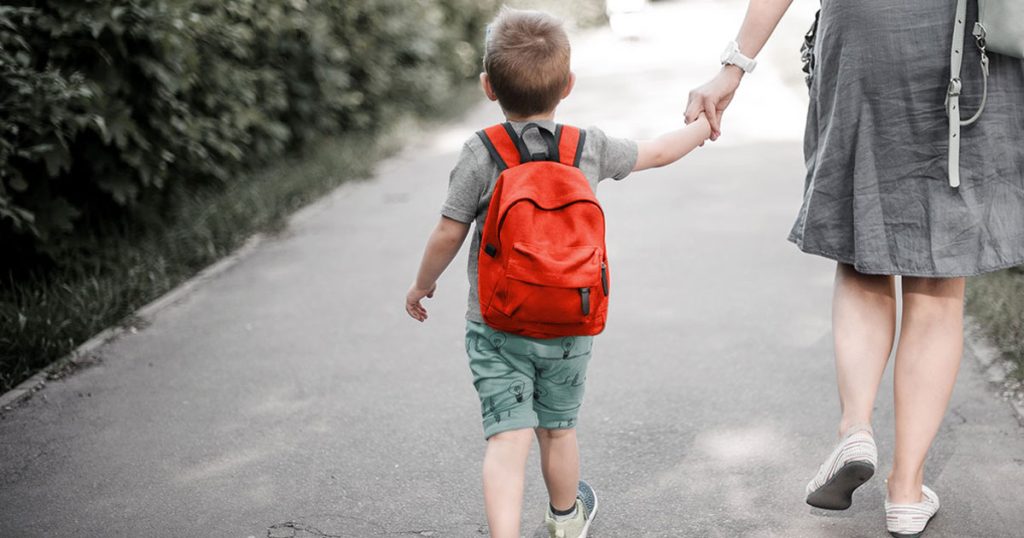
💙 A backpack should carry books—not cause pain. Choosing the right backpack and wearing it correctly can help prevent neck, shoulder, and back pain in children and teens.
📚 Why Backpack Safety Matters
As students head back to school, backpacks become part of their daily routine. Unfortunately, many children carry backpacks that are too heavy or wear them incorrectly, placing unnecessary stress on their growing bodies.
A poorly fitted or overloaded backpack can contribute to:
- 😣 Neck pain
- 💪 Shoulder pain
- 🦴 Upper and lower back pain
- ⚖️ Poor posture
- 😫 Muscle strain
- 🚶 Changes in the way a child walks
Fortunately, a few simple habits can go a long way in keeping kids comfortable and reducing the risk of injury.
⚖️ Keep the Weight Under 10–15% of Body Weight
One of the most important backpack safety rules is not carrying too much weight.
A backpack should generally weigh no more than 10–15% of a child’s body weight.
For example:
- 👦 60-pound child → Backpack should weigh no more than 6–9 pounds
- 👧 100-pound child → Backpack should weigh no more than 10–15 pounds
- 🧑 140-pound teenager → Backpack should weigh no more than 14–21 pounds
If your child’s backpack feels heavy when you pick it up, it probably is.
🎒 Choose the Right Backpack
Look for a backpack that includes:
✅ Wide, padded shoulder straps
✅ A padded back panel
✅ Multiple compartments for weight distribution
✅ Lightweight construction
✅ Adjustable shoulder straps
A waist strap or chest strap can also help distribute weight more evenly, especially for older students carrying heavier loads.
👥 Always Use Both Shoulder Straps
Many students sling their backpack over one shoulder because it looks convenient—but this places uneven stress on the neck, shoulders, and spine.
Using both shoulder straps helps:
- Keep the spine properly aligned
- Distribute weight evenly
- Reduce muscle fatigue
- Improve posture
Adjust the straps so the backpack sits snugly against the back rather than hanging low.
📍 Pack Heavy Items Closest to the Back
How a backpack is packed matters just as much as how much it weighs.
Place:
📘 Heavier books closest to your child’s back
📓 Lighter items toward the outside
🎒 Smaller items in separate compartments
This keeps the load balanced and prevents the backpack from pulling backward.
📏 Wear the Backpack at the Right Height
A backpack should rest in the middle of the back—not below the waist.
When worn too low, it increases strain on the shoulders and lower back and encourages poor posture.
A properly fitted backpack should sit comfortably against the back without excessive movement while walking.
🏃 Encourage Good Posture
Watch how your child walks while wearing their backpack.
Signs the backpack may be too heavy include:
- Leaning forward
- Rounded shoulders
- Complaints of pain
- Difficulty standing upright
- Red marks from shoulder straps
These are signs it’s time to lighten the load or adjust the fit.
🏫 Clean Out the Backpack Regularly
It’s amazing how quickly unnecessary items accumulate.
Every week, encourage your child to remove:
- Old homework
- Unneeded textbooks
- Extra notebooks
- Water bottles they aren’t using
- Miscellaneous items that add unnecessary weight
A lighter backpack is easier and safer to carry.
💪 Build a Strong, Healthy Back
Physical activity helps children develop the strength and stability needed to support healthy posture.
Encourage activities such as:
- 🚶 Walking
- 🚴 Biking
- 🏊 Swimming
- ⚽ Sports
- 🧘 Stretching
Strong core and back muscles can help reduce fatigue while carrying a backpack.
🚨 When Back Pain Shouldn’t Be Ignored
Occasional muscle soreness after carrying a heavy backpack may improve with rest.
However, your child should be evaluated if they experience:
- Persistent back pain
- Neck pain
- Shoulder pain
- Numbness or tingling
- Pain that lasts several days
- Pain that interferes with sports or daily activities
Ongoing discomfort may indicate more than just an overloaded backpack.
🌟 Healthy Habits Start Early
Backpack safety is a simple but important part of keeping children healthy throughout the school year.
By choosing the right backpack, limiting its weight, wearing it correctly, and encouraging good posture, parents can help reduce the risk of back and shoulder pain while promoting healthy habits that last a lifetime.
If your child continues to experience neck, shoulder, or back pain despite making these adjustments, the team at Cedar Rapids Pain Associates can help evaluate the cause and recommend appropriate treatment options.
A few small changes today can help protect growing backs for years to come.