
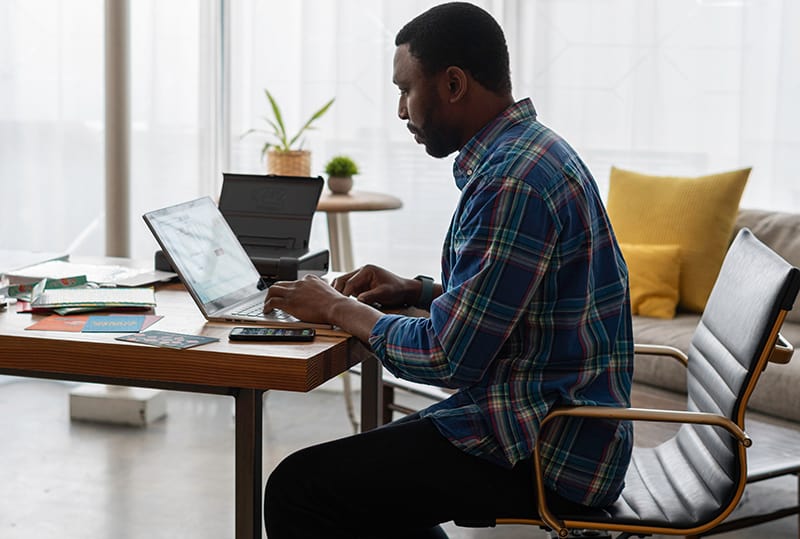
Between working at a desk, driving, eating meals, watching TV, and scrolling on our phones, it’s surprisingly easy to spend most of the day sitting.
Even if you exercise regularly, long periods of inactivity can leave your body feeling stiff, tired, and sluggish.
The good news? You don’t necessarily need another hour-long workout. Simply breaking up long periods of sitting with short bursts of movement can make a difference.
Here’s what can happen when you spend too much of your day sitting—and some simple ways to get moving.
⏰ We Sit More Than We Realize
Think about a typical day:
- 🚗 Driving to and from work
- 💻 Sitting at a computer
- 🍽️ Sitting during meals
- 📱 Relaxing with your phone
- 📺 Watching television
- 🚙 Driving kids to activities
- 🛋️ Relaxing at the end of the day
Those hours can add up quickly.
And while sitting itself isn’t inherently bad, spending long, uninterrupted periods sitting means your muscles and cardiovascular system aren’t being challenged very much.
❤️ 1. Your Heart and Circulation Get Less Activity
When you’re walking or moving, your muscles help promote blood flow throughout your body.
When you sit for extended periods, you’re simply not getting the cardiovascular activity that comes with being up and moving.
Over time, a highly sedentary lifestyle has been associated with an increased risk of cardiovascular disease and other chronic health problems.
💡 Simple Solution:
You don’t need to run a mile every hour. Stand up, walk around the office, refill your water, or take a short walk every so often throughout the day.
🦵 2. Your Muscles Aren’t Doing Much Work
When you sit, many of the large muscles in your legs, hips, and core aren’t working as hard as they do when you’re standing, walking, climbing stairs, or exercising.
If your overall lifestyle becomes too sedentary, muscles can gradually lose strength and conditioning.
Maintaining muscle becomes particularly important as we get older because muscle plays a major role in:
- Strength
- Balance
- Mobility
- Metabolism
- Bone health
- Maintaining independence
One of the best things you can do for your long-term health is simply keep moving.
🔥 3. You Burn Fewer Calories
Standing, walking, taking the stairs, cleaning the house, doing yard work, and other everyday activities all require energy.
Sitting requires considerably less.
That doesn’t mean sitting automatically causes weight gain. Your overall diet, exercise, genetics, sleep, and lifestyle all matter.
But when your daily activity decreases significantly, your total daily calorie expenditure may decrease as well.
🍬 4. Your Metabolic Health May Be Affected
Physical activity helps your body use glucose for energy and plays an important role in insulin sensitivity.
Long periods of sedentary behavior have been associated with poorer metabolic health, including an increased risk of type 2 diabetes.
One simple strategy is to move after meals.
🚶 Try This:
Take a short walk after lunch or dinner. It doesn’t need to be long or intense to add more movement to your day.
🧍 5. Your Hips and Back May Feel Stiff
Ever stand up after working at your computer for several hours and feel like it takes a few steps before you’re moving normally again?
You’re not imagining it.
Sitting in the same position for long periods can contribute to stiffness in areas such as the:
- Hips
- Lower back
- Upper back
- Neck
- Shoulders
Changing positions regularly and getting up to move can help prevent your body from spending hours in exactly the same posture.
💻 6. Your Neck and Shoulders May Feel the Effects
It’s not just sitting—how you sit matters too.
Computers, tablets, and phones can encourage us to lean forward or look downward for extended periods.
This may contribute to:
- Neck stiffness
- Tight shoulders
- Upper-back discomfort
- Headaches
- Muscle fatigue
🖥️ Check Your Workspace
Try to keep:
✓ Your monitor near eye level
✓ Your feet supported
✓ Your shoulders relaxed
✓ Your keyboard and mouse within comfortable reach
✓ Your chair positioned so you don’t have to constantly lean forward
But remember: there is no perfect posture that you should hold all day.
Movement and changing positions matter too.
🦴 7. Your Bones Need Activity Too
Bones respond to physical stress.
Weight-bearing activities such as walking, climbing stairs, resistance training, and many recreational activities provide stimulation that helps maintain bone strength.
This becomes increasingly important as we age.
🧠 8. Moving Can Help Your Brain Too
Have you ever felt mentally drained after sitting at your desk for several hours?
Getting up and moving isn’t just good for your body.
Physical activity is associated with benefits for:
- Mood
- Stress management
- Sleep
- Cognitive health
- Overall well-being
Sometimes the best thing you can do when you’re stuck on a problem is get up and take a short walk.
🏋️ But I Exercise—Does Sitting Still Matter?
Regular exercise is extremely beneficial and should absolutely be encouraged.
But going to the gym doesn’t mean you should ignore what you’re doing during the other hours of your day.
Think of these as two separate goals:
🏃 Exercise regularly.
AND
🚶 Sit less and move more throughout the day.
You don’t have to choose one or the other.
⏱️ How Often Should You Get Up?
There isn’t one magic schedule that works for everyone.
Instead of worrying about a perfect number, focus on breaking up long periods of sitting whenever possible.
Try setting a reminder on your phone or computer to stand up periodically.
Even better, attach movement to things you already do.
Easy examples:
- ☕ Walk while your coffee is brewing
- 📞 Stand during phone calls
- 🚶 Walk to a coworker’s office instead of emailing
- 💧 Use a smaller water bottle so you have to refill it
- 🚗 Park a little farther away
- 🪜 Take the stairs when practical
- 📺 Walk during television commercials or between episodes
- 🐕 Take the dog for an extra short walk
- 🍽️ Walk for a few minutes after meals
Small amounts of activity can accumulate throughout the day.
🚶 You Don’t Need 10,000 Steps for Movement to Count
The popular 10,000-step goal isn’t a requirement for good health.
If you’re currently averaging 3,000 steps a day, increasing to 4,000 or 5,000 is still progress.
Instead of becoming obsessed with a particular number, focus on gradually increasing your activity and reducing long stretches of inactivity.
More movement is generally better than less.
🏠 Easy Ways to Move More Without “Working Out”
Exercise doesn’t have to happen in a gym.
Movement can include:
- Walking
- Gardening
- Cleaning
- Yard work
- Dancing
- Playing with your kids or grandchildren
- Walking the dog
- Taking the stairs
- Riding a bike
- Recreational sports
- Strength training
- Stretching while watching television
The best activity is often the one you’ll actually continue doing.
🔷 Start Small
If you spend most of your day sitting, don’t feel like you suddenly need to completely change your lifestyle.
Start with something manageable.
Try this tomorrow:
Every time you’ve been sitting for a long stretch, stand up and move for a few minutes.
Walk around.
Stretch.
Refill your water.
Take the stairs.
Go outside.
Do a few bodyweight squats.
The individual movement break might seem insignificant, but those small choices can add up over weeks, months, and years.
❤️ Your Body Was Made to Move
Sitting is a normal part of life. The goal isn’t to eliminate it.
The goal is to avoid letting sitting become almost all of your life.
Regular exercise combined with frequent everyday movement can support your cardiovascular health, muscles, bones, metabolism, mobility, and overall well-being.
So if you’ve been reading this entire article while sitting…
🚶 Consider this your reminder to stand up and move!
📅 Need Help Getting Back to the Activities You Enjoy?
If discomfort is making it difficult to stay active, Cedar Rapids Pain Associates offers a variety of treatment options designed to help patients improve function and get back to doing the things they enjoy.
☎️ 319-294-0094
🌐 crpainfree.com
⭐ Appointments available in days, not weeks.
✓ No referral needed!
“Quick Relief from the Pain Specialists”