
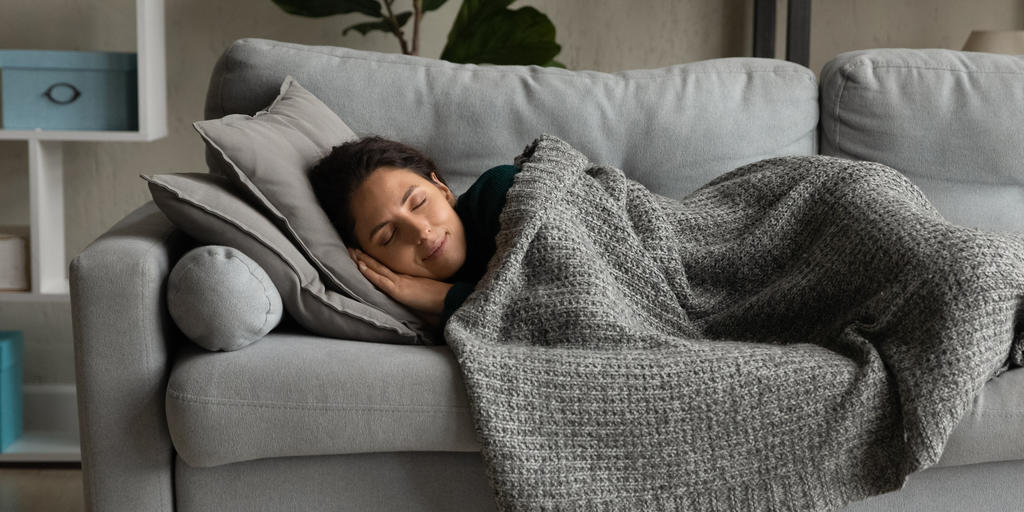
There’s nothing quite like a good afternoon nap. But is napping actually healthy—or could it be interfering with your nighttime sleep?
The answer is: it depends.
For many people, a short nap can improve alertness, mood, and performance. But naps that are too long, too late in the day, or needed constantly may be a sign that something else is affecting your sleep.
Here’s what you should know before you grab that pillow.
💤 Can Napping Actually Be Good for You?
Yes!
A well-timed nap can provide a quick mental and physical reset, especially after a poor night’s sleep or during a particularly demanding day.
Potential benefits of a short nap may include:
- 🧠 Improved alertness
- 🎯 Better concentration
- 😊 Improved mood
- ⚡ Reduced feelings of fatigue
- 📝 Improved learning and memory
- 💪 Improved performance and reaction time
You don’t necessarily need to sleep for hours to feel refreshed. In fact, shorter naps are often better.
⏰ What Is the Best Length for a Nap?
For most adults, a short nap of around 10–30 minutes is a good target.
Why?
Short naps may allow you to get some restorative sleep without spending too much time in deeper stages of sleep.
This can make it easier to wake up feeling refreshed rather than groggy.
😴 The 20-Minute Power Nap
A 20-minute nap is a great starting point.
Set an alarm, find a comfortable place, and give yourself permission to rest.
Even if you don’t fall completely asleep, a short period of quiet relaxation may still leave you feeling refreshed.
🥴 Why Do I Sometimes Feel Worse After a Nap?
Ever wake up from a nap and temporarily wonder:
What day is it? Where am I? Why did I do this?
😂 You’re not alone.
That groggy, disoriented feeling is known as sleep inertia.
It can happen when you wake up during a deeper stage of sleep.
Longer naps may make it more likely that you’ll enter deeper sleep, which is one reason a 20-minute nap can sometimes leave you feeling better than an hour-long nap.
🕒 What Is the Best Time of Day to Nap?
For many people, early afternoon is the sweet spot.
Our bodies naturally experience changes in alertness throughout the day, and it’s common to feel a dip in energy after lunch.
A nap sometime around 1–3 p.m. may work well for many adults.
Napping too late in the afternoon or evening may reduce your sleepiness at bedtime and make it harder to fall asleep that night.
💡 Simple Rule:
If your nap regularly makes it harder to fall asleep at night, try making it shorter or earlier.
🛌 Are Long Naps Bad for You?
Not necessarily.
Sometimes your body simply needs additional rest—especially if you’ve been sick, traveling, working unusual hours, or didn’t sleep well the night before.
However, regularly sleeping for an hour or two during the day may interfere with your nighttime sleep schedule.
Long naps can also make you more likely to wake during deeper sleep and experience that unpleasant groggy feeling.
🌙 Can Napping Make Insomnia Worse?
It can.
If you already have difficulty falling asleep at night, long or late naps may reduce your natural sleep drive.
Think of sleepiness like building up pressure throughout the day.
The longer you’re awake, the more ready your body becomes for sleep. A long afternoon nap can partially reset that process.
If you’re struggling with insomnia, reducing or eliminating daytime naps may sometimes help improve nighttime sleep.
☕ Is a Nap Better Than Caffeine?
It depends on the situation.
Caffeine can temporarily increase alertness, but it doesn’t replace sleep.
A short nap may provide a more natural boost in alertness without relying on additional caffeine.
And remember—caffeine can remain in your system for hours. That afternoon coffee or energy drink could potentially affect your ability to fall asleep later that night.
🧠 Does Napping Help Your Brain?
Sleep plays an important role in learning, memory, attention, and overall brain function.
A short nap may help improve alertness and cognitive performance, particularly when you’re tired.
That’s one reason naps can feel so refreshing during mentally demanding days.
Sometimes taking a short break is more productive than trying to push through exhaustion.
🏃 What About Athletes?
Naps may be useful for athletes and physically active people, particularly when training schedules, travel, early practices, or competitions interfere with normal sleep.
Adequate sleep is important for:
- Physical recovery
- Reaction time
- Concentration
- Mood
- Decision-making
- Athletic performance
However, a nap should generally be considered additional recovery—not a replacement for consistently getting enough sleep at night.
👵 Do We Need More Naps as We Get Older?
Sleep patterns can change with age.
Older adults may experience lighter nighttime sleep, earlier waking, or more frequent nighttime awakenings.
A short daytime nap may help some people feel more rested.
However, suddenly needing significantly more daytime sleep than usual shouldn’t automatically be blamed on getting older.
🚩 When Is Frequent Napping a Concern?
Occasionally wanting a nap is completely normal.
But consider talking with a healthcare provider if you:
- ✓ Need long naps almost every day
- ✓ Regularly fall asleep unintentionally
- ✓ Feel exhausted despite getting enough nighttime sleep
- ✓ Have suddenly become much sleepier during the day
- ✓ Frequently wake with headaches
- ✓ Snore loudly or wake gasping for air
- ✓ Have difficulty staying awake while driving
- ✓ Never feel refreshed after sleeping
Excessive daytime sleepiness can sometimes be associated with sleep disorders, medication effects, medical conditions, or poor-quality nighttime sleep.
⚠️ Never drive if you’re struggling to stay awake.
📱 How to Take a Better Nap
Want to become a professional power napper?
Keep it simple:
⏰ Keep it short
Aim for approximately 10–30 minutes.
🌤️ Nap earlier
Early afternoon is usually better than evening.
🔕 Reduce distractions
Silence notifications and find somewhere quiet.
🌡️ Get comfortable
A cool, dark, comfortable environment may make it easier to relax.
⏱️ Set an alarm
Otherwise that “quick nap” can unexpectedly turn into two hours.
🌙 Protect your nighttime sleep
If napping affects your ability to sleep at night, adjust the timing or duration.
❓ So…Are Naps Healthy?
For many people, yes—a short, well-timed nap can be a healthy way to recharge.
The key is moderation.
👍 The Sweet Spot
10–30 minutes
Early afternoon
Not too close to bedtime
If you wake feeling refreshed and still sleep well at night, there’s probably no reason to feel guilty about an occasional afternoon nap.
But if you find yourself needing long naps every day just to function, it may be worth asking why you’re so tired in the first place.
😴 Bottom Line: Go Ahead and Take the Nap
A short nap can be a simple way to recharge your brain and body.
So the next time someone catches you taking a 20-minute afternoon nap, you can tell them…
You’re not being lazy. You’re working on your health. 😉
Just remember—the best nap is one that leaves you feeling refreshed without stealing sleep from tonight.
❤️ Helping You Stay Healthy & Active
At Cedar Rapids Pain Associates, we believe good health involves more than simply treating pain. Sleep, movement, nutrition, exercise, and healthy everyday habits can all play a role in helping you feel your best.
And if pain is interfering with your ability to sleep, move, exercise, or enjoy everyday life, we’re here to help.
☎️ 319-294-0094
🌐 crpainfree.com
⭐ Appointments available in days, not weeks.
✓ No referral needed!
“Quick Relief from the Pain Specialists”